Wehaa BlogsSwitch to:
Senior Living

Senior Heath

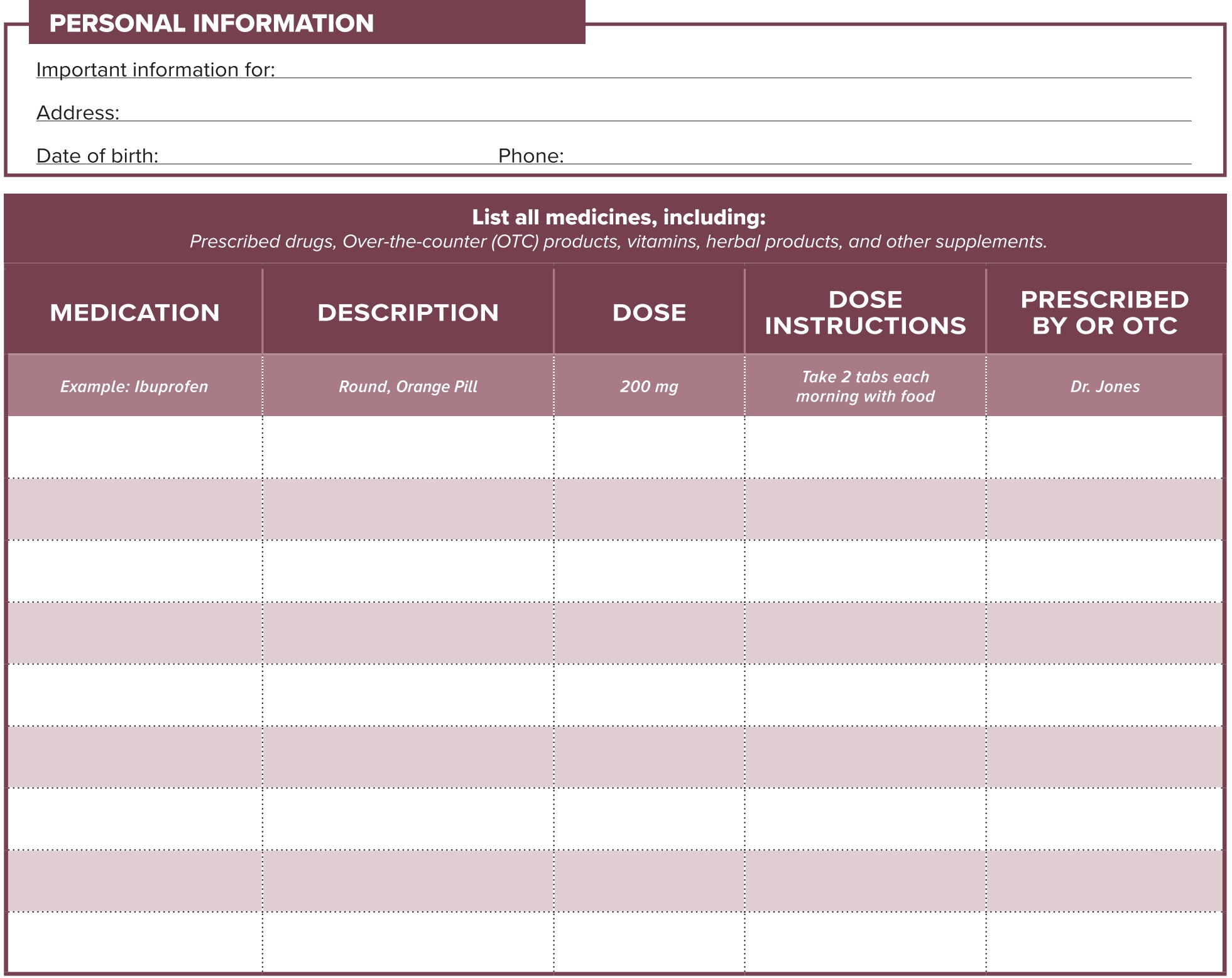
MEDICATION TRACKER

When you keep track of your loved one’s medicine intake, it helps prevent accidents. Show this list to doctors and dentists so they can watch out for interactions and side effects.

Make sure you update this list after every doctor or dentist visit. You can also make copies of this list for relatives or caregivers who are involved with your loved one’s care.

Senior Heath

BREAKFAST BEFORE 8 AM = LONGER LIFE?

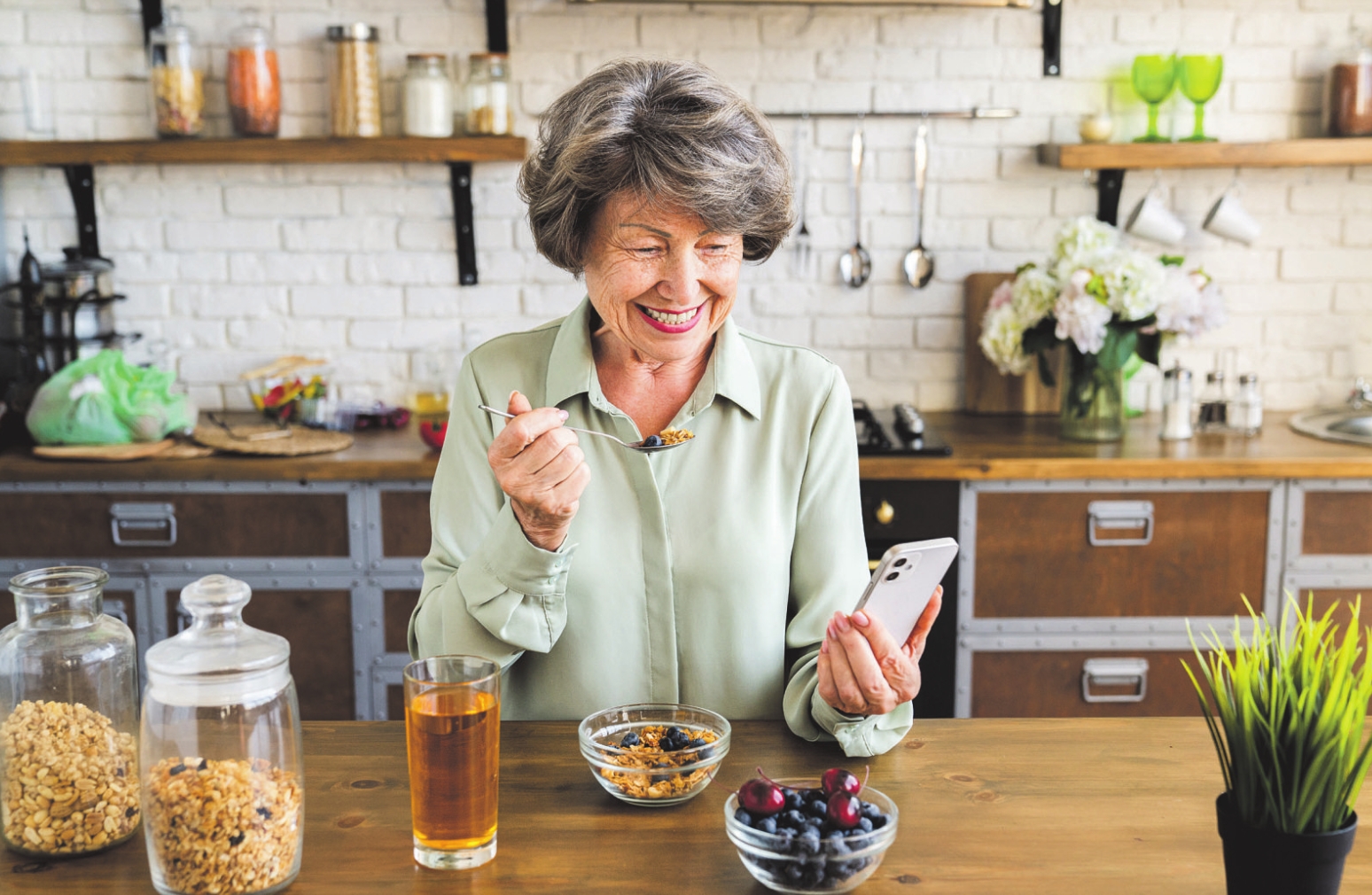
More than what’s on your plate, when you take that first bite might matter more than we thought. New research hints that having breakfast soon after waking, rather than hours later, may help keep energy steadier, sleep smoother and moods on an even keel as we get older.

A recent study (Dashti et al., 2025)* tracked nearly 3,000 adults aged 42 to 94 for over two decades. And the pattern was hard to ignore. As people aged, breakfast as well as dinner tended to slide later in the day.

Folks who kept breakfast earlier and more regularly? They reported more energy and better sleep. Meanwhile, those pushing breakfast back reported lower energy, some dental issues, mood dips and restless nights. Over the years, those differences added up in ways researchers couldn’t overlook.

How Breakfast Ties to Body Rhythms

Our bodies run on circadian rhythms, the internal clocks that govern when we sleep, digest, feel awake or sleepy, and how our hormones behave.

As we age, our rhythms soften. We might wake up earlier, feel less hungry in the morning or struggle to fall asleep. Disruptions in these internal schedules can subtly affect our metabolism, digestion and energy regulation.

So breakfast becomes more than just breakfast. It’s the morning flag your body looks for, telling digestion, metabolism and even your mood, that the day has officially begun. Eat too late or too inconsistently, and those internal systems can get out of sync.

Research shows that for every extra hour someone ate breakfast later, the odds of running into health issues climbed.

What the Science Suggests

Breakfast timing is only one piece. Newer studies point to the whole pattern: when you eat, how consistently you do it and even how late you’re still snacking at night. All of it affects energy, metabolism and sleep.

Some research now shows that earlier calories often go hand-in-hand with better blood sugar control and healthier cholesterol levels – especially if your internal clocks are still in decent shape.

Others look at the “eating window” – how many hours you spend eating each day versus fasting. A longer overnight fast, thanks to earlier dinners and breakfasts, may give metabolism a break it actually likes. And meal timing consistency matters, too. Eating at roughly the same times every day helps your body settle into a healthier rhythm for sleep, mood, appetite and activity levels.

So, what matters most here seems to be timing, consistency and nourishment. They all work better together.

Practical Ways to Shift Earlier

Older adults can try these ideas without reworking their entire routine:

• Ease into it. If breakfast is usually at 10 a.m., no need to shock your system with a 7 a.m. meal. Try 9:30 for a bit. Then see how it feels to inch earlier.

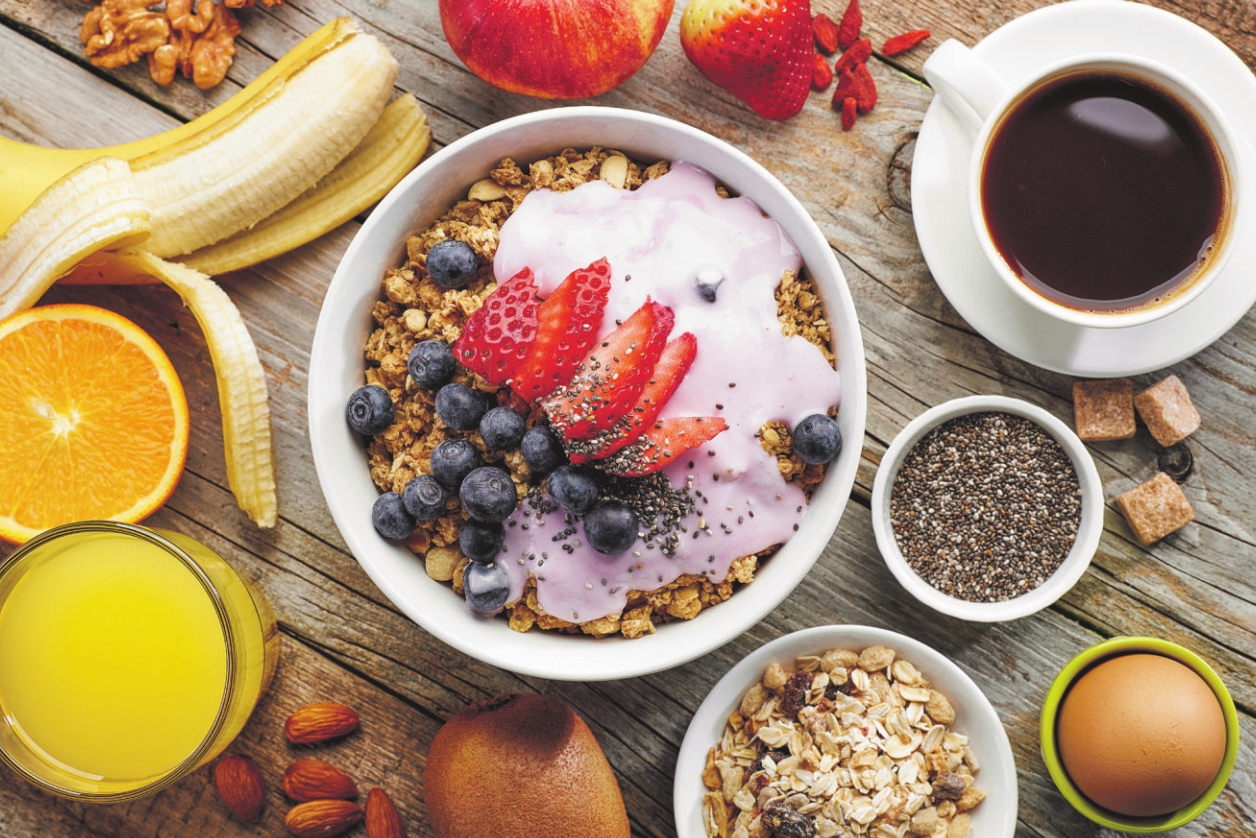
• Make breakfast simple. Something you can prepare without too much bother. Yogurt and fruit. Whole-grain toast with peanut butter. Eggs. Oatmeal. Whatever sounds doable, so you actually stick with it.

• Build a wake-up routine. Open the curtains. Get some natural light. Step outside for a minute. These cues help your body clock wake up even before you eat, making it easier to feel ready for breakfast earlier.

• Remove barriers. Maybe your appetite is low or dental pain is slowing you down. A dentist check-up, pre-prepared foods or breakfast prep the night before can help.

• Consistency beats perfection. A late breakfast here and there isn’t the end of the world. What counts is what you usually do.

What We Still Don’t Know

Here’s what researchers haven’t figured out yet:

Whether deliberately shifting breakfast earlier improves health in older adults. Most evidence is observational.

How big the effect is on different groups – those with chronic illness, different cultural eating patterns, lower mobility or limited access to healthy food.

How breakfast quality interacts with timing. A nutritious but later breakfast might still be better than no breakfast, but eating earlier and more nutrient-rich could be best.

What the ideal “eating window” is for older adults – and how late dinners or late-night snacks affect sleep, metabolism and mood.

What This Means for You

Trying an earlier breakfast isn’t risky. It’s low cost, low effort and gives you something tangible to experiment with.

For many people, changing when you eat can help improve daily energy, mood, digestion and sleep – things that shape how it feels to age, not just how long.

– Sara Kitnick

Senior Heath

STAY CONNECTED STAY HAPPY

The days may be getting shorter, but that doesn’t mean your social life has to

Everywhere you go in September and beyond, you get the feeling of “hunkering down.” The grandkids are back in school and no one is having that fun summer-style barbecue in October. But not to worry! The “post-summer” season is the perfect time to refocus on being connected – and that is just as important for your mental and physical health as a brisk walk in the morning.

Here are a few ways to keep your social calendar full, your mind sharp and your spirits high.

Recharge Those Friendships

While the weather may be ideal, summer often means busy travel schedules and a lot of familial responsibilities with kids and grandkids on break. Fall is the perfect opportunity to reach out and reconnect, and it’s easier to do than you’d think.

• Make it a Habit: Schedule a weekly coffee or a monthly lunch with a friend. Having a regular date to look forward to helps you stay on track and keeps your social life a priority (as it should be).

• Bring the Fun to You: Plan a game night, start a book club or even host a casual movie afternoon at home. These low-key activities are great for conversation and strengthening bonds.

• Pick Up the Phone: A simple phone call or video chat can do wonders. A quick chat with an out-of-town friend or family member is a great way to stay connected without leaving home.

Meet New Friends

Making new friends is a fantastic way to open up your world and discover new interests. Here are some easy ways to find like-minded people.

• Find Your Passion: Take a class! Many local community colleges and senior centers in Southern California offer a variety of classes, from painting and pottery to gardening and foreign languages. Learning something new is a great icebreaker.

• Give Back: Volunteering is one of the best ways to meet people who share your values. Area hospitals, museums and community gardens are always looking for help via volunteers, and you’ll find a rewarding sense of purpose while making new connections.

• Join a Group: Whether it’s a walking club, a book discussion group at the local library or a group for your favorite hobby, joining up with others for an organized activity makes it easy to find common ground and a solid basis for a new friendship.

The Mental Health Connection

Staying socially active is a powerful tool for your mental well-being. It can boost your mood, reduce feelings of loneliness and help you stay engaged with the world around you. So, think of every phone call, every coffee date and every new friend as an investment in your own happiness. Most importantly, be open and stay curious! Your mind will thank you for it.

– Alan LaGuardia

Primary Sidebar