
Wehaa BlogsSwitch to:
Senior Living

Senior Care

AltaMed PACE: Complete Care for Seniors

From medical services and nutrition to social activities and transportation, AltaMed PACE helps families like the Ruizs keep loved ones healthy and independent

Xavier Ruiz, 72, is a longtime resident of the Los Angeles’ Highland Park neighborhood. A skilled carpenter in his younger years, he and his wife, Maria, raised five children together.
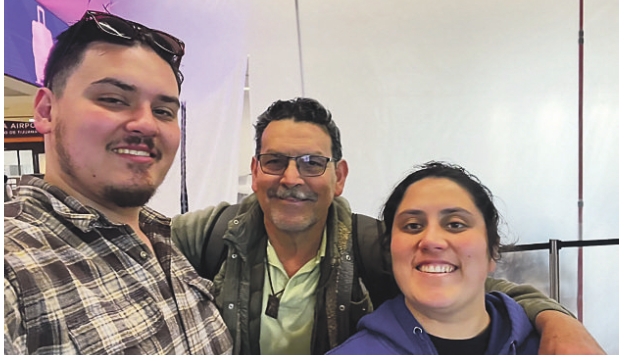
Today, he is a happy-go-lucky grandpa who still loves woodworking.

Unfortunately, over the past couple of years, diabetes and arthritis have slowed Xavier down. His son, Jesus, has become his live-in caregiver. Jesus was already caring for his maternal grandmother, who has advanced Alzheimer’s disease. Things became more challenging when Maria, Xavier’s wife, was diagnosed with endometrial cancer in March. With three aging and ill seniors in the home, Jesus started looking for a program that could provide a social life for his father and take care of his medical needs, while also easing his own load as a caregiver.

After a family friend recommended AltaMed PACE, Jesus and Xavier took a tour of their Grand Plaza facility in Downtown Los Angeles. The Program of All-Inclusive Care for the Elderly (PACE), was established by Medicare in 1996 to help seniors with complex medical needs avoid nursing homes. The program helps seniors receive the care and services they need to stay safe, comfortable, and healthy while still living in their own homes.

“I was actually surprised that it’s a full-on service of everything. They have medical facilities and plenty of doctors’ rooms,” Jesus recalls. “Since dad is a diabetic, it is really important that he eats well. Their specialized nutritionist at PACE is actually something that alleviates my process as a caregiver. It is something I don’t have to worry about.”

An AltaMed PACE van stops by to pick Xavier up for his visits, which allows Jesus to remain with his mom and grandma rather than spend hours in traffic each week. PACE offers Xavier care coordination, transportation, social services, and meals. It also provides opportunities for socialization that includes art, fitness, and cultural activities at his local center. This is true for the more than 5,200 participants across 18 AltaMed PACE locations throughout Los Angeles and Orange Counties.

Enrolling Xavier in AltaMed PACE was a breeze. After their tour, Jesus was able to stay in touch with the intake coordinator who answered, and encouraged their questions. “They were very personable. I think that was the best part of it all,” said Jesus.

AltaMed PACE has been a blessing not just for Xavier, but also for Jesus who was finally allowed to have a little “me time” amidst the previously constant medical visits, phone calls, and booking of appointments. “I consider myself to be a poet and so it gives me time to just journal my thoughts and write things out,” he explained. “That’s something that’s beautiful, because I haven’t had time to sit with my thoughts for a while.”

Jesus’ family has been so impressed with AltaMed PACE that, as soon as Maria is through her chemo and radiation treatments, they intend to enroll her as well. “The older we get, the easier it is to be in our own little worlds and be lost in there,” Jesus concluded. “It is important to socialize with others and share our experiences. And I think my mom needs that, too.”


To be eligible for PACE, an individual must

• Have Medicare, Medicaid or both;

• Be at least 55 years old;

• Live in a PACE service area;

• Meet the level of care requirements as determined by the California Department of Health Care Services; and

• Be able to safely live in a community setting with the addition of PACE support at the time of enrollment.

To learn more about the AltaMed PACE program, visit AltaMed.org/PACE or call (855) 252-7223.

Senior Care

PROACTIVE HEALTH: PREVENTATIVE CARE TO STAY HEALTHY

Routine visits, immunizations and screenings remain cornerstones of senior preventative care

With flu season almost upon us, now is the time to schedule your annual influenza vaccination and to check in on your care needs ahead of winter. It’s important to stay up to date on all critical shots, but vaccines are just one crucial pillar of proactive health and preventative healthcare alongside regular checkups and early screenings for potentially serious conditions.

“At Optum, we are very much preventative care oriented and very much evidence-based medicine oriented,” said Minesh Mehta, MD, a family physician with Optum who practices in Carson, California. “Doing the things that are based on evidence can help keep you healthy in the long run.”

Regular health checkups and consultations with your doctor enable appropriate screenings for things like bone density, diabetes, and breast and colon cancers. Additionally, cardiovascular risk assessments can identify patients who may be at risk for cardiovascular disease and thus allow the implementation of timely preventative measures.

“When we see you, we have your long-term health in mind,” Dr. Mehta continued. “You came in for your stubbed toe, but, by the way, you need your mammogram, and we need to talk about colorectal cancer screening and look at your blood pressure … it’s not just addressing what you’re there for; it’s addressing all the stuff that potentially could trip you up down the road.”

Dr. Mehta recommends getting the flu vaccine in September or October each year, ahead of the colder weather in which the virus thrives. Because, while flu can leave even young adults bedridden, it can mean hospitalization or worse for seniors.

“Seniors should make sure that they get the flu vaccine every year,” said Dr. Mehta, who has been with Optum and its medical groups since 1998. “The reason that it’s annual is because the flu changes every year. The flu vaccine in the U.S. is based on what we’re seeing in Australia this season, and adjustments are made to the specific antigens that they target.”

Optum, which serves more than 3 million Californians at more than 130 locations statewide, also encourages older adults to get the one-time pneumonia vaccine. Last year, the CDC recommended lowering the age for vaccination against pneumococcal bacteria, which can also cause meningitis and bloodstream infections, from 65 to 50.

In 2023, the one-time RSV (respiratory syncytial virus) vaccine, previously given mostly to infants, was approved for seniors. RSV can cause cold-like symptoms and lead to lung and respiratory tract infections, including pneumonia. Dr. Mehta also advises that older patients should consider vaccination against shingles – essentially a reactivation of chicken pox that is more likely to happen after the age of 50. The resulting rash can be treated, but the related pain may linger for the rest of someone’s life.

“Vaccines are one of the big reasons why we have so much better life expectancy than we did 50 years ago,” said Dr. Mehta. “Lots of children used to die from measles. Vaccines made that, frankly, a non-entity … [and] the way smallpox was eradicated from this Earth is through vaccines.”

While we haven’t seen a repeat of the catastrophic coronavirus variant that swept the globe in 2020, Dr. Mehta recommends COVID-19 vaccination for seniors and younger people who have risk factors. Earlier this month, the U.S. Food and Drug Administration approved three updated COVID-19 vaccines, but this approval is currently limited to “high-risk” individuals, including people over the age of 65 and those with certain underlying conditions. The immunity offered by COVID-19 vaccines wanes over time, so Dr. Mehta recommends a booster every year or even every six months for seniors.

Getting vaccinated doesn’t mean you won’t contract a given disease. Rather, a vaccine will likely make your body’s reaction to that disease less acute. So, think of a vaccine as a layer of preventative insurance rather than an airtight shield against infection. Similarly, while a healthy lifestyle – balanced diet, regular exercise, etc. – can make a contagious disease less serious, it does not reduce the likelihood of catching that disease in the first place.

Accordingly, Optum’s emphasis on preventative medicine includes recommending regular checkups, screenings and vaccines for even the healthiest of patients. Your doctor can advise you, based on your medical history, age and other risk factors, which screenings are appropriate and also suggest preventative health goals, such as weight loss or cholesterol reduction, which could decrease the chances of serious health issues in the future.

“Make an appointment, get checked and see what it is that you may be behind on. And not just vaccines but, as I said, things like preventative screenings [for] colorectal cancer, mammograms,” Dr. Mehta concluded. “Then your physician can point out what vaccines and screenings you’re behind on and what they recommend based on your medical condition.”


Minesh Mehta, MD, CCFP

Medical Director
Optum

Primary Sidebar